Tequila vs. Mezcal: What’s the Difference?
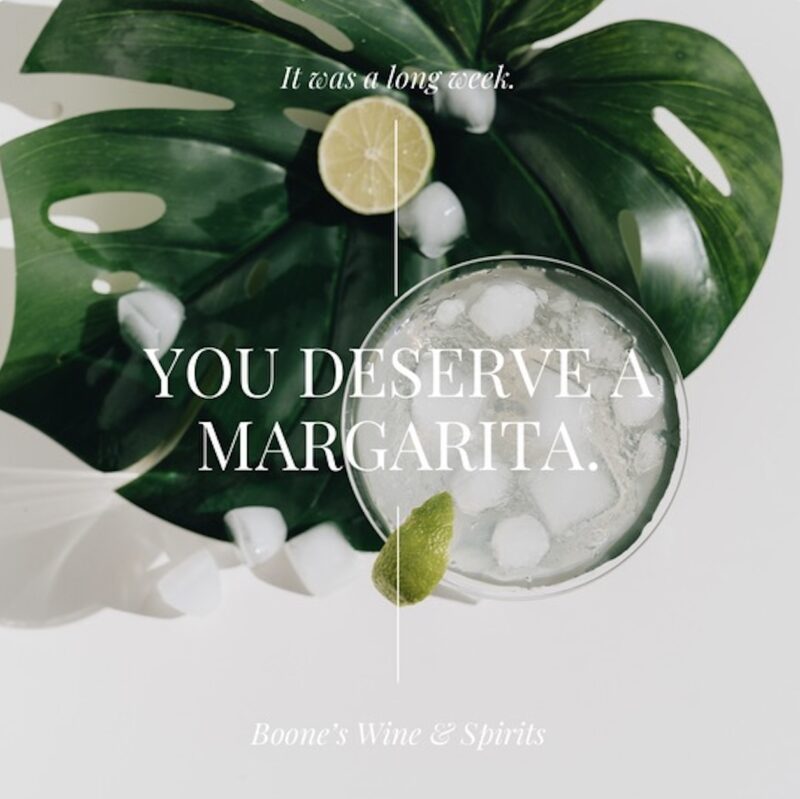
Tequila has been one of the hottest spirits in the country for years now, and mezcal isn’t far behind. We get questions about these two all the time. Is mezcal just smoky tequila? Which one should go in a margarita? Why does one bottle cost a little and the one next to it costs a lot? Let’s clear it all up.
First things first, tequila and mezcal are family. Both are made from agave, a big spiky plant that grows in Mexico and looks kind of like a giant aloe. Farmers let it grow for years before they harvest the heart of the plant, which is called the piña. That piña gets cooked, crushed, fermented and distilled. The easiest way to remember how they relate is that all tequila is technically a type of mezcal, but not all mezcal is tequila. It’s a lot like how bourbon is a type of whiskey, but not every whiskey is bourbon.
So what makes tequila tequila? For starters, it can only be made from one kind of agave, called blue Weber agave. It also has to come from specific parts of Mexico, and most of it is made in the state of Jalisco. Tequila makers usually cook their agave in big ovens or steam cookers, which keeps the flavor clean and bright with a little peppery kick.
Mezcal plays by looser rules. It can be made from lots of different types of agave, and each one brings its own personality. Espadín is the most common, but you’ll also find bottles made from rare wild agaves that can take even longer to grow. Most mezcal comes from Oaxaca, and the traditional way to make it is to roast the piñas in pits dug into the ground, lined with hot rocks and wood and then covered up with earth. That’s where mezcal gets its famous smoky flavor. Not every mezcal tastes like a campfire, though! Some are light and floral, others are earthy or fruity. It really depends on the agave and the person making it.
When you’re shopping for tequila, you’ll see a few words on the label that tell you how long it has aged. Blanco, sometimes called silver, is unaged or barely rested, and it tastes fresh and bright with lots of agave flavor. It’s the go-to for margaritas and Palomas. Reposado has spent a little time resting in oak, so it’s softer and picks up a touch of vanilla. It’s great for sipping or for a richer margarita. Añejo spends even longer in the barrel and gets smooth and complex, with flavors like caramel and spice, so you can sip it just like a nice whiskey.
If there’s one tip we really want you to remember, it’s this. Look for the words “100% de agave” on the bottle. If you don’t see them, the tequila is probably what’s called a mixto, which means it can include other sugars besides agave. That’s often the stuff behind those rough college-night memories. A good 100% agave tequila tastes like a completely different drink.
As for how to enjoy them, tequila is perfect in a classic margarita with fresh lime and orange liqueur, in a Paloma with grapefruit soda or poured neat if you’ve got a nice añejo. Mezcal is best sipped slowly from a small glass so you can really taste it. In Oaxaca it’s often served with orange slices and a little spiced salt on the side. It’s also amazing in cocktails. Try swapping it into a margarita or a Negroni for a smoky twist that’ll impress your friends.
Those big price differences mostly come down to time and labor. Agave takes years to grow, and a lot of mezcal is still made by hand in very small batches. Aging adds to the cost too. A higher price doesn’t automatically mean you’ll like it more, but it usually reflects how much work went into that bottle.
If you want a crowd-pleaser for cocktails, grab a good blanco tequila. If you’re in the mood to try something new and a little adventurous, start with an espadín mezcal. Better yet, get one of each and taste them side by side. It makes for a really fun night!
Stop by and tell us what you like. We’ll help you find an agave bottle that fits your taste and your budget. Salud!