Champagne vs Prosecco vs Cava 🥂
Champagne vs. Prosecco vs. Cava: Which Bubbly Should You Buy?
Champagne vs. Prosecco vs. Cava: Which Bubbly Should You Buy?
Between the holidays, New Year’s Eve, and every celebration in between, this is the time of year when sparkling wine flies off the shelves. And when you’re standing in front of all those bottles, the same question comes up. What’s the actual difference between Champagne, Prosecco, and Cava, and does it matter which one you pick?
It does, but the right choice really depends on what you’re using it for.
Champagne is the one everyone knows. To be called Champagne, it has to come from the Champagne region of France. It’s made using what’s called the traditional method, where the wine goes through a second fermentation inside the bottle. That process creates fine, steady bubbles and those toasty, bready, slightly nutty flavors Champagne is known for. It takes time and effort to make, which is a big part of why it costs more. It’s the bottle you want for a toast, a special dinner, or anytime you want to make a moment feel bigger.
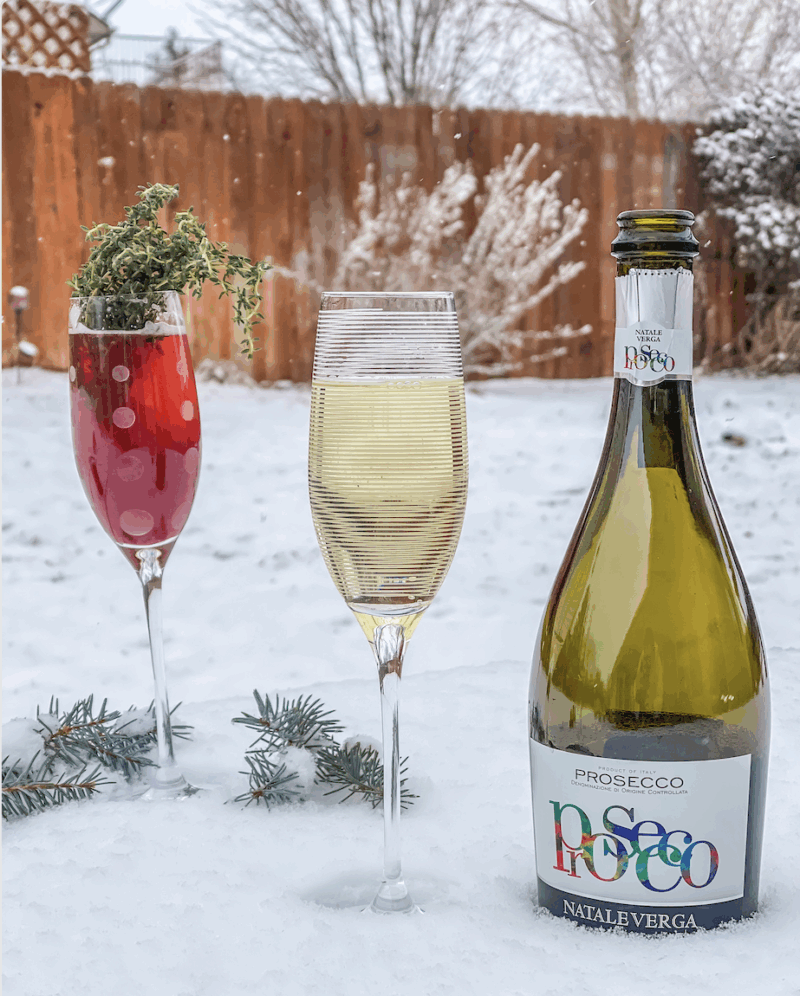
Prosecco comes from northeastern Italy and is mostly made from a grape called Glera. Instead of the second fermentation happening in each bottle, it happens in large tanks. That keeps the wine fresh, fruity, and light, with flavors like green apple, pear, and a little floral note. The bubbles are usually a little bigger and frothier. Prosecco is easy to drink, easy on the wallet, and great for mimosas, spritzes, and parties.
Cava is from Spain, and it’s made the same way as Champagne, with the second fermentation in the bottle. That means you get some of those same toasty, complex flavors, just at a much lower price. Cava tends to be crisp and dry with citrus and a little earthiness. If you want something that drinks like Champagne without the Champagne price tag, Cava is one of the best values in the whole store.
There’s one more worth knowing about, and that’s Crémant. These are French sparkling wines made the traditional way but outside the Champagne region. They’re another great option when you want quality bubbles for less.
The sweetness labels can be confusing, so here’s a quick guide. Brut is dry and is the most common style you’ll see. Extra Brut and Brut Nature are even drier. And here’s the tricky one: Extra Dry is actually a little sweeter than Brut. It doesn’t make much sense, but now you know.
When it’s time to open the bottle, make sure it’s well chilled first. Hold the cork firmly, point the bottle away from people, and twist the bottle instead of the cork. You want a soft sigh, not a loud pop and a foam explosion.
If you’re hosting a big party, Prosecco or Cava will keep everyone happy without breaking the bank. Save the Champagne for the midnight toast.
Stop by Boone’s Wine & Spirits and check out our sparkling wine selection. We’ll help you find the right bubbles for your celebration, whatever size it is.