How to Taste Wine Like a Pro (Even if You’re Just at Home)
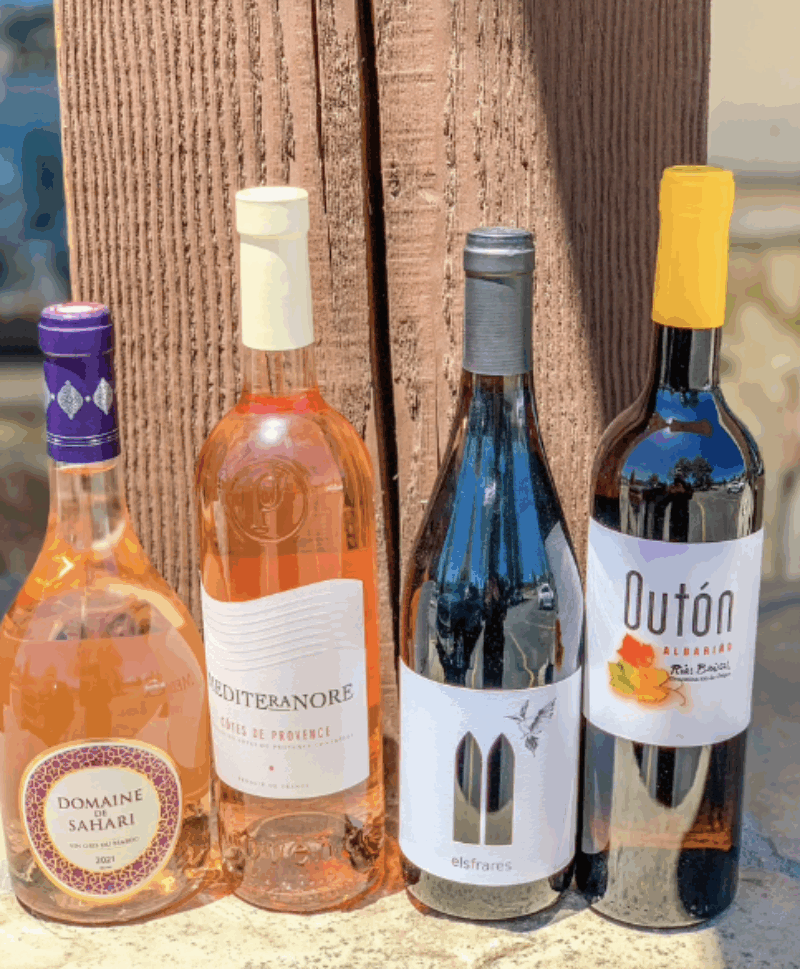
There’s a common misconception that wine tasting is reserved for sommeliers swirling glasses in tuxedos, rattling off words like “tannin” and “mouthfeel.” But the truth is, tasting wine is something anyone can enjoy — no certifications or fancy stemware required. If you’ve ever found yourself standing in front of the wine aisle wondering what you actually like, learning how to taste wine properly can change the way you drink it forever.
Start by pouring yourself a small glass — 2 to 3 ounces is plenty. Use a wine glass if you have one, but don’t stress if all you have is a rocks glass or a mason jar. It’s more about paying attention than having the “right” tools. Swirl the wine gently to release the aromas. It’s not just for show — swirling helps expose the wine to oxygen, which can open up the flavors and aromas that might otherwise stay hidden.
Now, take a second to actually smell the wine. Stick your nose right in there and take a few short sniffs. Your sense of smell plays a huge role in how you perceive flavor, and this step often surprises people the most. You might notice fruit right away — like blackberry, cherry, apple, or citrus — but also look for other hints: maybe vanilla, spice, leather, or even earthiness. There’s no wrong answer here. If it smells like fresh-cut grass or an old baseball glove to you, that’s valid. It’s not about being “correct,” it’s about being aware.
When you sip, don’t rush to swallow. Let it sit on your tongue for a second. Move it around a little. Notice how it feels. Is it light like water, or does it coat your mouth more like cream? That’s body. Does it make your mouth pucker slightly? That’s acidity. If there’s a little dryness on your tongue, that’s from the tannins — mostly found in red wines and aged whites. You might also notice sweetness, or lack of it, depending on the wine style.
After you swallow, pay attention to the aftertaste, or finish. Does the flavor linger, or does it disappear immediately? A longer finish is usually a sign of a higher-quality wine, but again — personal preference is what matters most. If you enjoy the experience, that’s the best kind of wine for you.
What separates “tasting” wine from just drinking it is mindfulness. It’s slowing down and noticing what’s actually in the glass. You don’t need to overanalyze it or memorize grape varietals. You just need to be present.
Try tasting two wines side-by-side — a red and a white, or a pinot noir and a cabernet — and see how different they really are. Take notes if you want, or just mentally log what you liked and didn’t like.
And remember: wine tasting doesn’t have to be stiff or serious. Throw on some music, invite a friend over, or sip solo while making dinner. The more you taste, the more you’ll start to notice — and the more fun it gets. Whether you’re sipping a $12 bottle from Boone’s or celebrating with something fancy, you don’t need a wine class to taste like a pro. You just need the wine.


